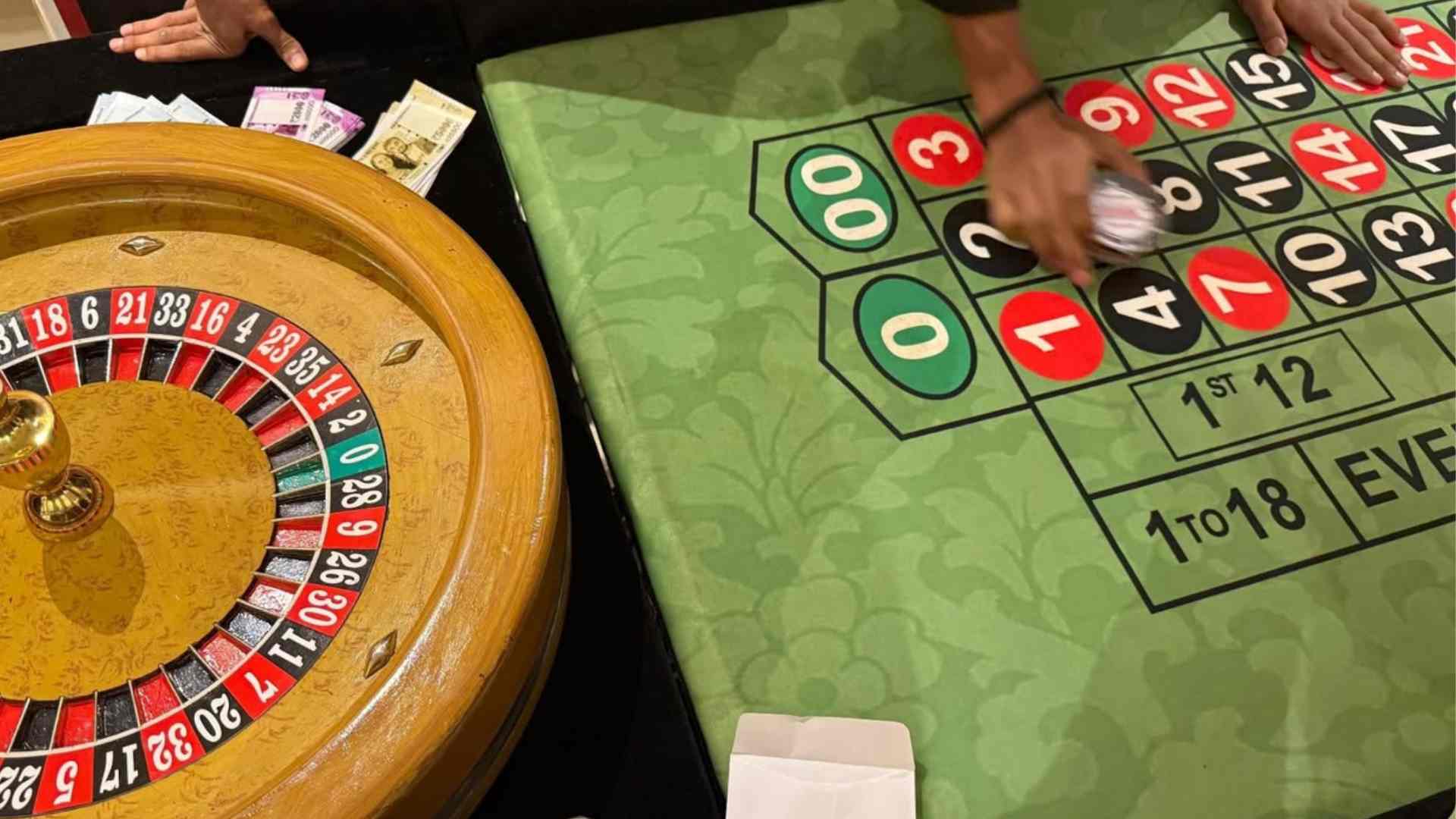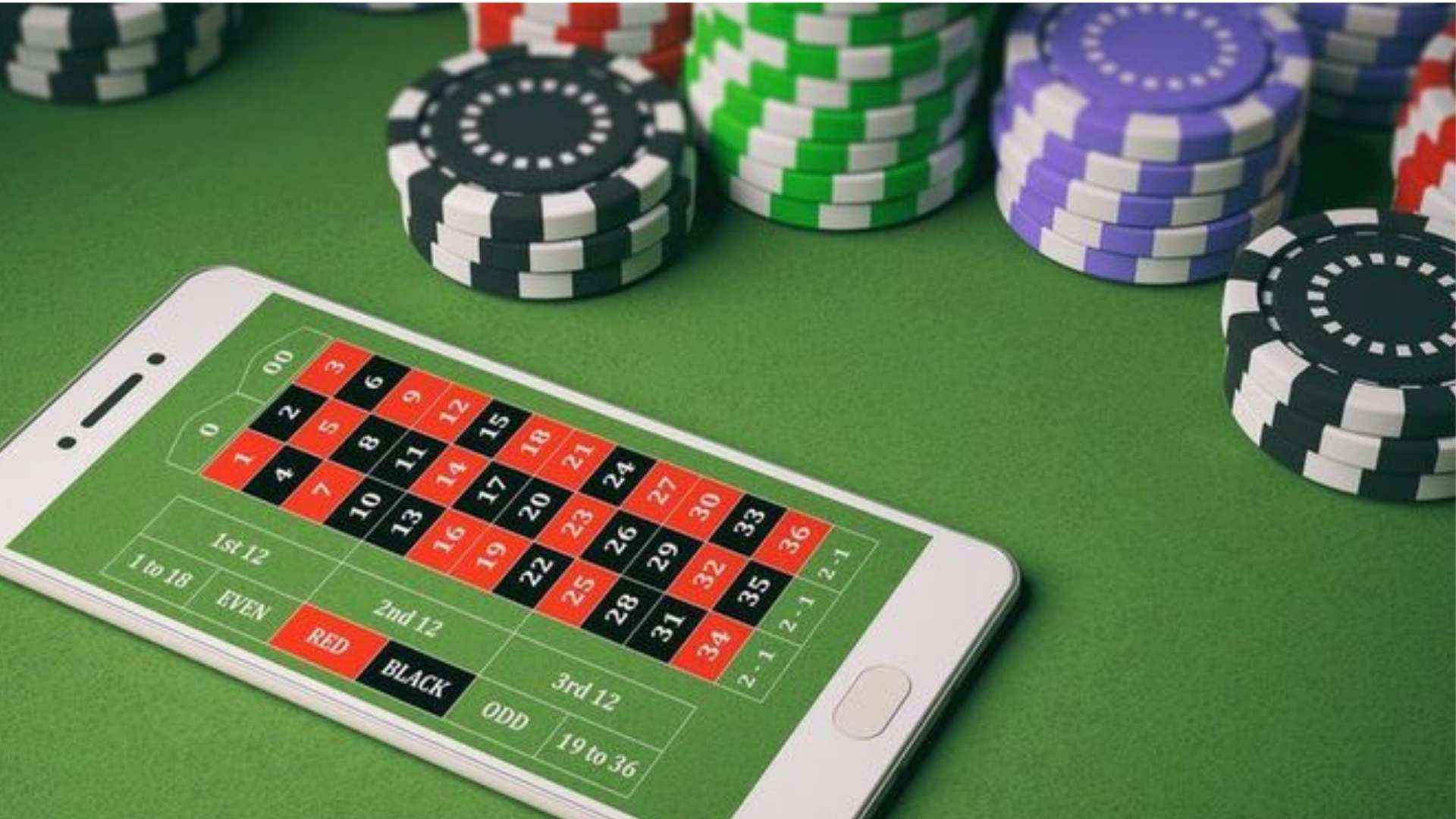
When interacting with interactive decision tools and digital wheels, users often notice a strong preference for specific visual layouts. Whether it is the color scheme, segment layout, or tactile animation, certain configurations resonate more deeply with individuals than others. Understanding this emotional connection highlights how psychological ownership and visual aesthetics shape everyday digital experiences.
The Psychology of Visual Comfort
Human psychology leans heavily toward familiar visual patterns that evoke feelings of safety and predictability. When a spinner features vibrant colors or balanced geometric symmetry, it creates an inviting atmosphere that reduces cognitive strain. This immediate visual comfort helps users feel more relaxed during moments of decision-making.
Furthermore, consistent visual cues build a sense of reliability over repeated uses. People naturally form positive associations with designs that provide smooth motion and clear readability. Over time, these subtle design elements turn a basic utility into a favored personal tool.
Personalization and Ownership Concepts
Customization plays a pivotal role in fostering psychological ownership among users. When individuals can modify wheel segments, choice labels, or color palettes, they project their identity onto the interface. This personal investment transforms a simple randomized tool into something unique and tailored.
The feeling of control gained through customization enhances overall user satisfaction. Even in environments involving pure chance, like trying an m88 bet or playing casual online games, personalized interfaces make the outcome feel more engaging. Users naturally champion designs that align with their personal taste and stylistic preferences.
Sensory Feedback and Animation Appeal
The fluidity of movement and auditory feedback significantly influence how users perceive quality. A well-designed spinner decelerates naturally, building organic suspense that holds viewer attention without causing frustration. Sound effects that mimic physical clicks further enhance the tactile realism of the digital experience.
This combination of visual and auditory cues creates a satisfying feedback loop. When these sensory elements are executed seamlessly, users develop a genuine fondness for the specific interaction. High-quality motion design elevates the functional aspect of spinning into an enjoyable micro-event.
Shared Memories and Social Context
Spinner designs often become memorable when associated with positive social experiences or group activities. Using a specific wheel layout during family game nights, team workshops, or friendly contests creates lasting emotional bonds. The visual interface becomes a symbolic centerpiece for shared laughter and anticipation.
Because these tools are tied to lighthearted moments, people frequently return to the exact same design for future gatherings. The familiar aesthetic acts as a trigger for positive nostalgia, reinforcing attachment over long periods. Ultimately, thoughtful design transforms a plain digital wheel into a cherished part of everyday routines.