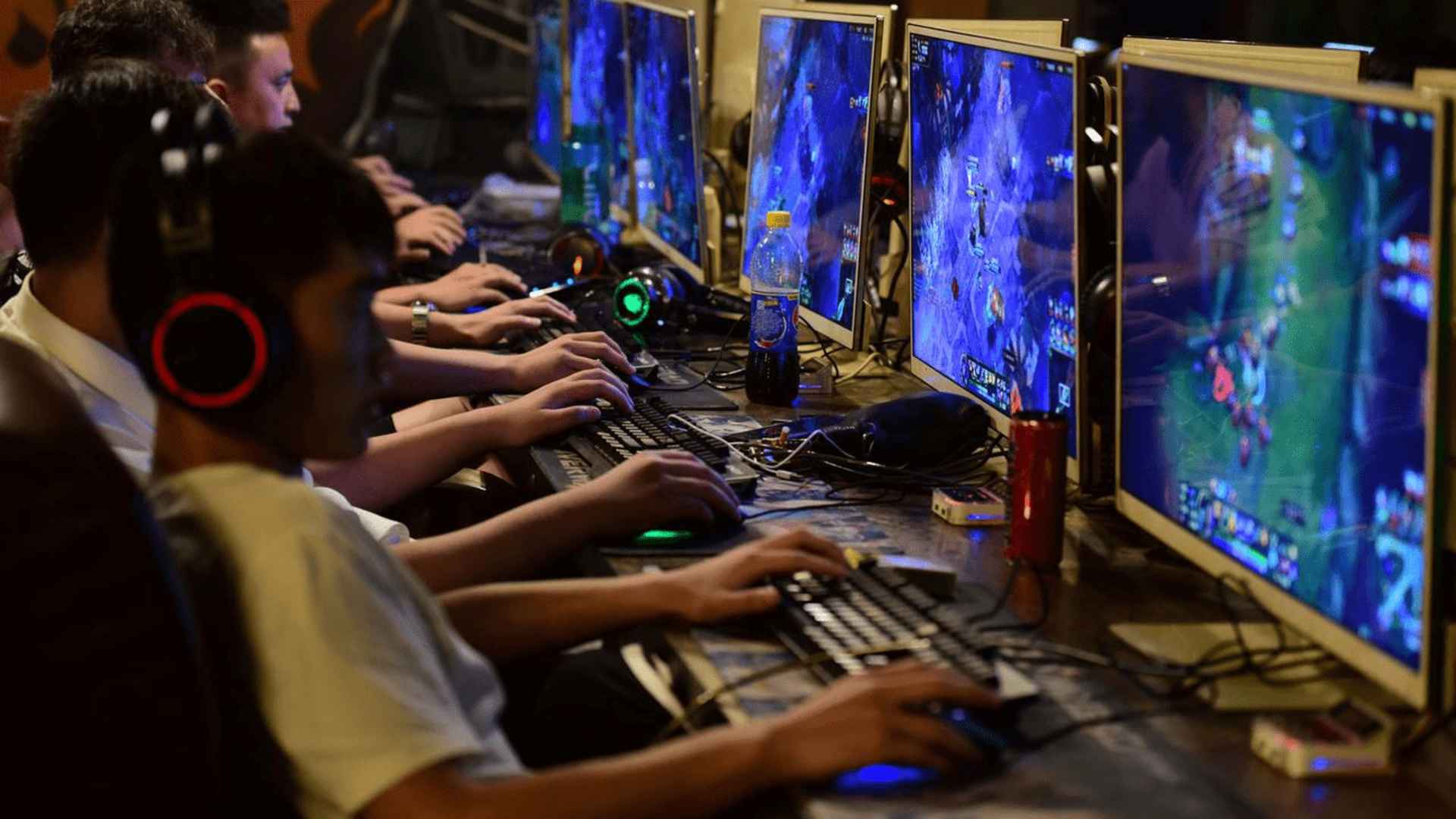
The ability to play on multiple digital tables simultaneously has fundamentally transformed the landscape of online card gaming. Modern gaming platforms rely on advanced programmatic architectures to manage real-time streams of information across multiple active windows without experiencing system interruptions. Understanding the underlying mechanisms that keep these complex multi-tabling environments stable is essential for competitive players trying to optimize their sessions.
The Role of Multithreaded Processing and Resource Allocation
When a user opens multiple tables, the application must process separate game logic, hand sequences, and player actions in immediate parallel. Traditional client engines would often experience massive layout freezes because they relied on single-threaded loops to manage all data tracking. Contemporary applications solve this issue by implementing dedicated multithreading options to split memory usage cleanly across available processor cores.
This smart allocation of hardware ensures that visual rendering updates instantly, keeping table lag from disrupting high-stakes decisions. Furthermore, modern database frameworks allow the software to read and write historical data histories simultaneously. This seamless background execution helps players maintain their edge without draining physical system processing speeds.
Automated Table Management and Grid Optimization
Navigating through multiple layouts during peak traffic hours requires smart software solutions that arrange workspace views automatically. Advanced software engines provide built-in tile and cascade settings to scale game graphics instantly to match the exact dimensions of your monitor. These responsive updates ensure that crucial components like bet tracking numbers and countdown clocks remain completely clear to prevent costly misclicks.
Many players also integrate these visual settings with responsive platforms like 中環m88 to explore flexible account navigation options across various regions. Advanced layout configurations allow users to set personalized hotkeys and highlight individual window frames when action is urgently required. This organized visual structure lowers overall mental exhaustion, allowing enthusiasts to focus entirely on table strategy during long competitive grinds.
Ensuring Connection Stability and Seamless Updates
Maintaining network persistence is a primary requirement when running several data-heavy streams concurrently on a single system. Dedicated poker clients employ sophisticated packet optimization protocols to sync real-time table actions with global game servers instantly. If a local connection fluctuates, the underlying system is built to restore player data logs without resetting table balances or dropping active frames.
To support this network persistence, software development teams push frequent network updates designed to keep client files operating safely alongside evolving hardware configurations. These consistent adjustments remove potential system bugs before they create critical lag during heavy multi-table grinds. Choosing an application backed by active developer support remains a crucial aspect for securing a modern, stable gameplay setup.