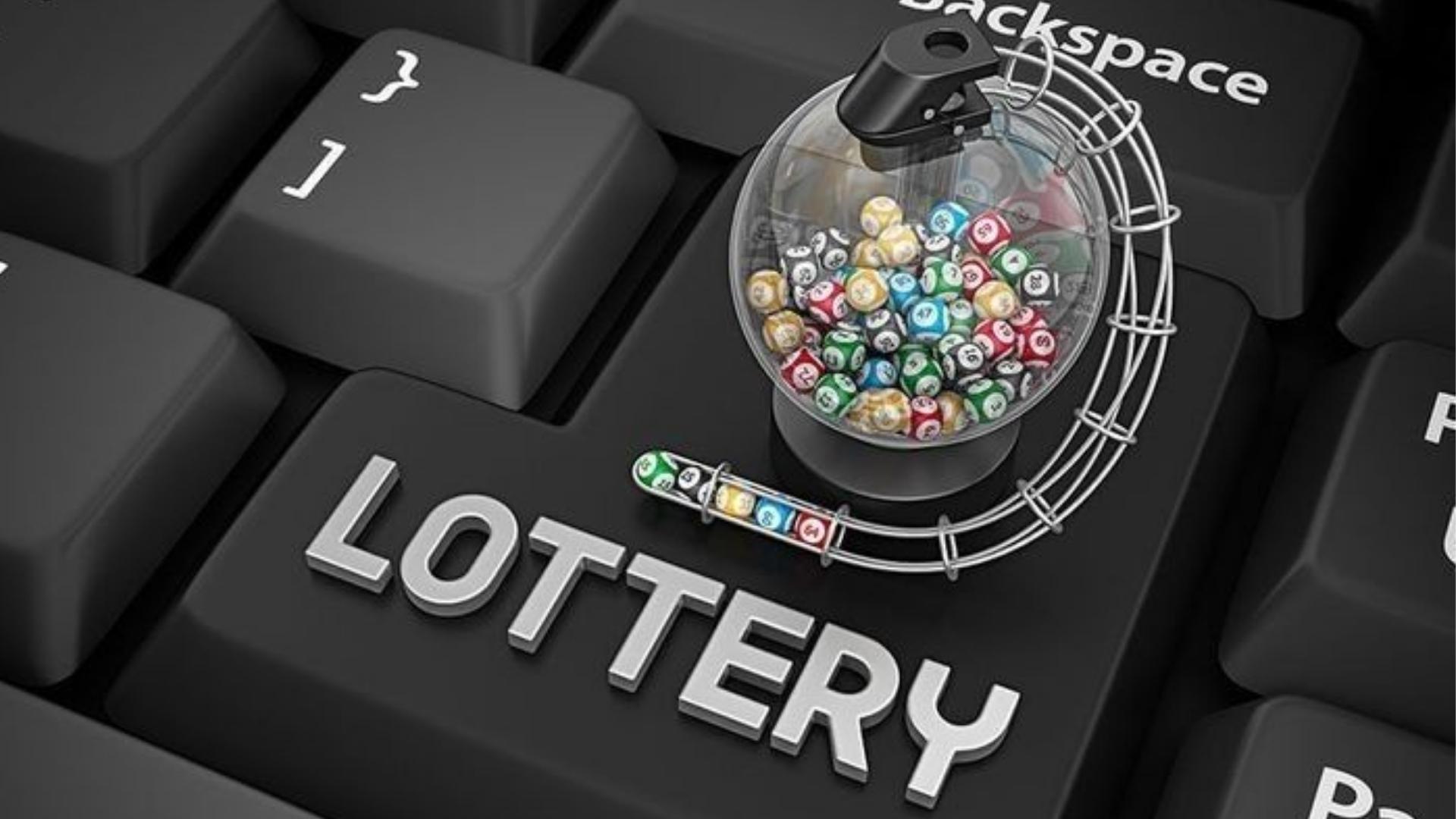
Uncertain reward mechanics have become a fundamental design choice in modern interactive gaming, altering how players evaluate their overall experience. By introducing unpredictable outcomes, game creators can heighten anticipation and transform routine challenges into memorable events. Understanding how these mechanics influence user satisfaction helps clarify the delicate balance between emotional engagement and long-term retention.
The Psychological Appeal of Anticipatory Outcomes
The core attraction of variable reward mechanics lies in the psychological state of anticipation. When the outcome of an action is not guaranteed, the brain releases dopamine during the waiting phase rather than solely at the moment of reward delivery. This sustained sense of expectation keeps players actively involved and sharpens their focus throughout the session.
Furthermore, uncertainty prevents gameplay loops from becoming entirely predictable or mundane over time. When players encounter dynamic loot drops or random bonuses, each attempt carries fresh possibilities. This element of surprise encourages gamers to return regularly to test their luck again.
How Variable Payouts Shape Player Retention
Player retention relies heavily on maintaining a satisfying equilibrium between effort and compensation. Fixed reward structures can lead to early burnout once the progression path becomes obvious and mechanical. In contrast, chance-driven systems offer intermittent emotional peaks that sustain interest over extended periods.
Many modern platforms incorporate dynamic features alongside traditional gameplay options to diversify the user experience. For instance, gaming enthusiasts looking for varied interactive entertainment often check m88 the thao for updated options and sports updates. These diverse features demonstrate how variable incentive models maintain audience curiosity across different formats.
Balancing Randomness with Fairness
Despite their appeal, unpredictable systems can cause severe frustration if players feel the mechanics are unfair or overly punitive. When valuable items remain excessively rare, participants may experience disappointment rather than excitement. Effective game design mitigates this issue by establishing subtle safety nets or pity mechanisms.
By guaranteeing minimum rewards after consecutive unsuccessful attempts, developers protect players from prolonged bad luck. This approach preserves the thrill of chance while ensuring that user time feels respected. Maintaining this balance is essential for fostering lasting player satisfaction and trust.
Designing Sustainable Progression Loops
Sustainable progression systems successfully integrate uncertain mechanics alongside reliable, skill-based milestones. While core achievements validate a player's growing competence, random perks provide spontaneous highlights. Combining these two elements creates a multi-layered experience that caters to different psychological needs.
As digital media continues to evolve, developers are continuously refining how variable incentives operate within virtual economies. By prioritizing transparency and fair distribution, creators can design games that stay deeply engaging. Ultimately, thoughtful implementation of uncertain rewards transforms standard play into a fulfilling journey.